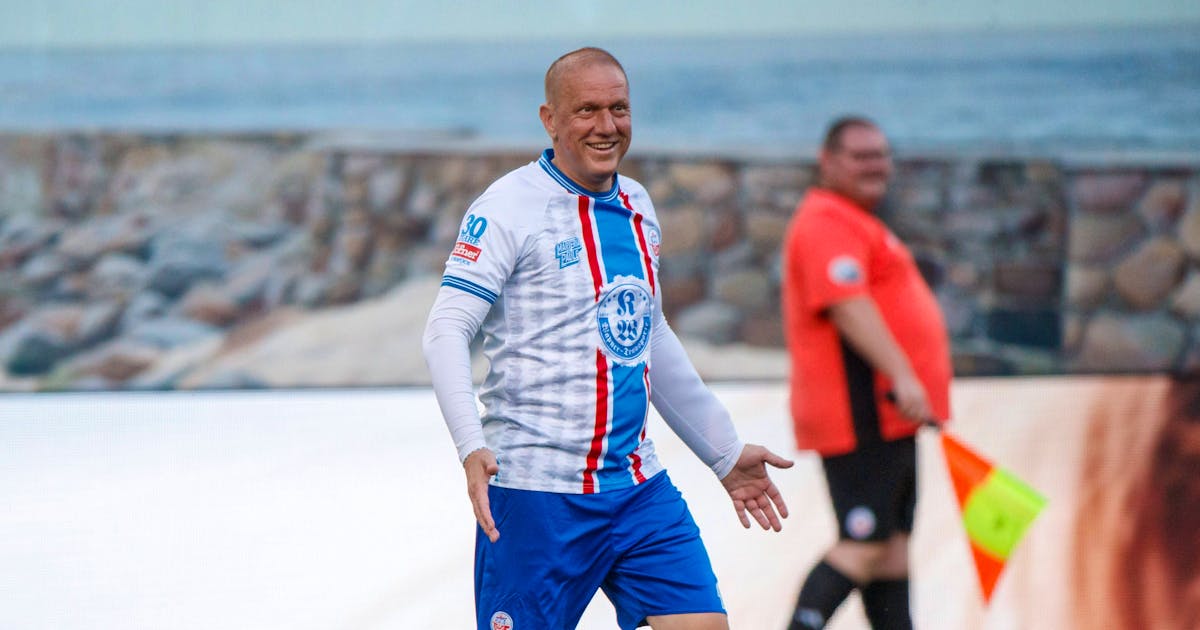
Ivan Klasnic: The Unseen Battle Behind Football's Glamour
Ivan Klasnic was a formidable striker, renowned for his goal-scoring prowess across Europe's top leagues. With 150 goals in 451 professional appearances for clubs like Werder Bremen, Nantes, and Bolton Wanderers, the Croatian international left an indelible mark on the pitch. Yet, beneath the veneer of athletic triumph and glory, Klasnic was fighting a silent, devastating battle against a chronic illness that ultimately cost him his health. His story, deeply entrenched in what is now widely known as Ivan Klasnic Krankheit (Ivan Klasnic's illness), serves as a stark reminder of the immense, often hidden, price some athletes pay for their careers, grappling with painkillers, alleged medical negligence, and the arduous journey of multiple organ transplants.
Today, at 45, Klasnic lives with his third transplanted kidney, a testament to his incredible resilience but also a painful symbol of the suffering he has endured. His journey highlights critical questions about medical ethics in professional sports, the pressure on athletes to perform, and the long-term health consequences that can follow a high-octane career.
The Double-Edged Sword: Painkillers and a Pre-Existing Condition
Klasnic's health ordeal began long before his kidneys completely failed. During his active playing days, he was already suffering from a diagnosed kidney condition. Despite this, he was routinely prescribed potent painkillers, specifically Voltaren (diclofenac), in both tablet and topical forms, by team doctors at various clubs. This practice continued even though it was reportedly known that Voltaren, a non-steroidal anti-inflammatory drug (NSAID), carries significant risks of kidney damage, especially in individuals with pre-existing renal issues.
The core of the issue, and the focus of Ivan Klasnic's kidney disease, lies in this apparent conflict of knowledge and action. Klasnic himself expressed profound regret and anger, stating in the ARD documentary "Hirschhausen und der Schmerz," "If I had known about it, I would not have taken the medication." His trust in medical professionals was absolute: "When a doctor says you are healthy, you don't think twice," he reflected. This implicit trust, common among athletes, became his undoing, as the prescribed painkillers progressively exacerbated his condition, ultimately leading to total kidney failure.
Professional sport, by its very nature, pushes the human body to its limits. Injuries are frequent, and the demand to return to play swiftly is immense. In this environment, painkillers often become a necessary evil, enabling athletes to manage discomfort and meet performance expectations. However, Klasnic's case dramatically illustrates the catastrophic consequences when this reliance on medication is coupled with a failure to adequately monitor and protect an athlete's health, particularly when specific vulnerabilities are known. For a deeper dive into the broader implications, consider exploring Ivan Klasnic: The Health Risks of Pro Football and Painkiller Abuse.
A Battle for Life: Three Kidneys and a Historic Comeback
The severity of Klasnic's condition necessitated multiple kidney transplants. His first transplant occurred in 2007. Remarkably, he became the first professional footballer globally to return to a top-tier league after undergoing a kidney transplant. This feat showcased his incredible determination and passion for the game, earning him widespread admiration. However, this comeback was short-lived. The transplanted organ ultimately failed, as did a subsequent one. His body struggled to accept the new organs, leading to a harrowing cycle of dialysis and uncertainty. Living with his third donor kidney today is a testament to his tenacity and the constant vigilance required to manage such a severe chronic illness.
Klasnic's health battle was not just physical; it was deeply psychological. The constant threat of organ rejection, the grueling dialysis treatments, and the uncertainty of his future took an enormous toll. His experience underscores the fact that the challenges faced by athletes often extend far beyond the pitch, into realms of personal health and survival.
Seeking Justice: The Landmark Lawsuit and its Aftermath
The perceived negligence of the medical staff left Klasnic furious and determined to seek justice. "What I have been through, I wouldn't wish on anyone," he stated. In April 2008, he initiated legal proceedings against the Werder Bremen club doctors, accusing them of failing to diagnose his developing kidney disease earlier and, crucially, of prescribing harmful medication despite their knowledge of his pre-existing condition. This landmark case drew significant attention, not just for Klasnic, but for its implications for medical care in professional sports.
The legal battle was protracted, spanning 12 years. It wasn't until late 2020, before the Higher Regional Court in Bremen, that both parties reached an out-of-court settlement. Klasnic was awarded €4.5 million in damages. While this sum represented a significant victory, Klasnic found little solace in it. "No money in the world can give me back my health," he lamented. The settlement, though financially substantial, could never truly compensate for the profound and irreversible damage done to his body and the years of suffering he endured. To learn more about the specifics of the settlement, you can read Klasnic's Nierenversagen: 4.5M Euro Settlement Against Team Doctors.
Klasnic's case sent a clear message to sports clubs and medical teams worldwide: accountability for player health is paramount. It highlighted the need for greater transparency, meticulous record-keeping, and a patient-centric approach that prioritizes long-term well-being over short-term performance gains.
Lessons from Klasnic's Ordeal: Protecting Athletes' Health
The painful journey of Ivan Klasnic offers invaluable lessons for the world of professional sports. His story transcends individual tragedy, prompting a wider conversation about systemic issues:
- Informed Consent and Patient Autonomy: Athletes, like any patient, have the right to be fully informed about their health conditions, the medications they are prescribed, and their potential side effects. Klasnic's lack of knowledge about Voltaren's nephrotoxic effects despite his kidney condition is a critical point of concern.
- Ethical Medical Practice in High-Performance Environments: Team doctors operate under unique pressures, balancing player welfare with club objectives. Klasnic's case underscores the need for clear ethical guidelines and independent oversight to ensure that medical decisions are always in the best interest of the athlete.
- Thorough Medical Screening and Monitoring: Pre-existing conditions must be meticulously identified and closely monitored throughout an athlete's career. Regular, comprehensive health checks, especially for vital organs like kidneys, liver, and heart, are crucial.
- Minimizing Painkiller Reliance: While unavoidable at times, sports medicine should focus on holistic approaches to injury management, emphasizing rehabilitation, alternative therapies, and a cautious approach to potent medications.
- Athlete Advocacy and Awareness: Athletes must be empowered and educated to advocate for their own health. Seeking second opinions, understanding medication labels, and questioning treatment plans should be normalized and encouraged.
Klasnic's experience underscores the importance of a paradigm shift in how athlete health is managed, moving from a reactive, performance-driven model to a proactive, long-term well-being approach.
Conclusion: A Legacy Beyond Goals
Ivan Klasnic's career was marked by impressive goals and moments of sporting brilliance. Yet, his enduring legacy may well be the courageous way he has confronted and shared his most profound struggle: Ivan Klasnic Krankheit. His candidness in documentaries and interviews has shed light on the darker side of professional sports, where the pursuit of glory can sometimes come at an unimaginable personal cost.
Despite his ongoing health challenges, Klasnic expresses a profound sense of gratitude. "One should be grateful – even when sick," he muses, thankful for simply being able to experience life. His resilience, honesty, and willingness to share his story continue to inspire and educate, urging the football world to reflect on its responsibilities and to prioritize the long-term health and well-being of its most valuable assets – the players.