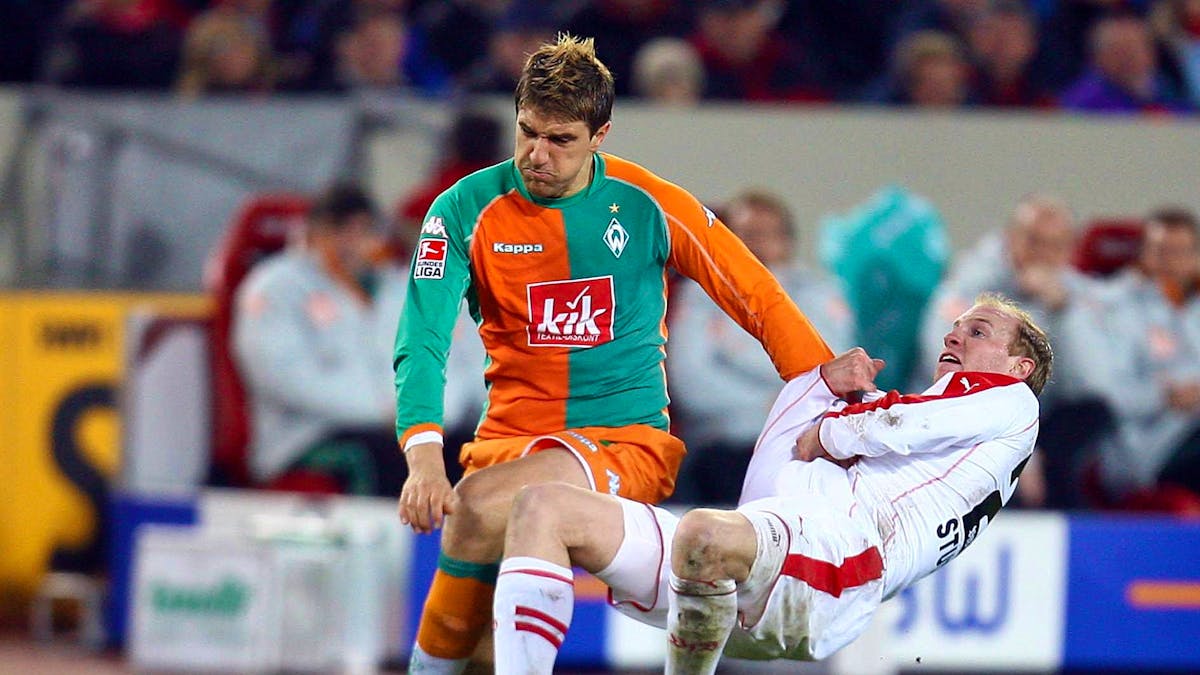
Ivan Klasnic's Nierenversagen: A 4.5M Euro Settlement Highlights the High Cost of Professional Football
The glittering world of professional football often obscures the immense physical toll it takes on athletes. Few stories illustrate this harsh reality as starkly as that of Ivan Klasnic. A prolific striker who graced the pitches of the Bundesliga, Ligue 1, and Premier League, Klasnic's career was marked by formidable goal-scoring prowess – 150 goals in 451 professional appearances. Yet, beneath the surface of his athletic triumphs lay a silent, life-threatening battle: a severe kidney disease, known in German as Ivan Klasnic Krankheit (Ivan Klasnic's illness), that would ultimately lead to multiple organ transplants and a landmark legal settlement against his former team doctors.
Klasnic's harrowing journey from football star to a patient living with a third transplanted kidney serves as a powerful cautionary tale. It uncovers critical questions about medical ethics in elite sports, the pressure on athletes to perform, and the devastating consequences when trust in medical professionals is misplaced. His successful pursuit of €4.5 million in damages against Werder Bremen's medical staff underscores the gravity of medical negligence and sets a precedent for athlete welfare.
The Rise and the Relentless Pursuit of Glory: A Career Forged in Fire
Born in Hamburg, Germany, to Croatian parents, Ivan Klasnic's football journey was one of relentless dedication and natural talent. His career truly took flight at Werder Bremen, where he became an integral part of one of the club's most iconic periods. Alongside teammates like Ludovic Magnin, Klasnic was a key architect of Bremen's historic 2004 domestic double, clinching both the Bundesliga title and the DFB-Pokal. His 19 goals and 12 assists that season cemented his status as a top-tier striker, earning him international recognition and caps for the Croatian national team.
Following his successful stint in Bremen, Klasnic continued to ply his trade at a high level, experiencing the unique challenges of French football with Nantes and the intense physicality of the English Premier League with Bolton Wanderers. Throughout his career, Klasnic was known for his predatory instincts in front of goal, his robust physical presence, and his unwavering commitment on the pitch. However, the very demands that sculpted him into an elite athlete also masked a growing health crisis. The constant strain, the inevitable injuries, and the pressure to quickly return to action often necessitated the use of pain management, a practice that would tragically lead to the progression of Ivan Klasnic Krankheit.
The culture of professional sports often dictates that athletes play through pain, pushing their bodies to the absolute limit. This environment, while fostering incredible resilience, can also create a dangerous dependency on medication, a factor that proved catastrophic for Klasnic. As he himself admitted in the ARD documentary "Hirschhausen und der Schmerz," professional sport often feels impossible without pain relief. This statement highlights a systemic issue within elite athletics that extends far beyond Klasnic's individual case, affecting countless athletes globally.
A Hidden Battle: The Onset of Ivan Klasnic's Kidney Disease and the Role of Painkillers
The most shocking aspect of Ivan Klasnic's story is that his kidney disease was identified *during* his active playing career. Despite this critical diagnosis, he was repeatedly administered Voltaren, both orally and topically. Voltaren, a brand name for diclofenac, belongs to a class of drugs known as Non-Steroidal Anti-Inflammatory Drugs (NSAIDs). While highly effective at reducing pain and inflammation, NSAIDs are known to have significant side effects, particularly on the kidneys, especially when used long-term or by individuals with pre-existing renal conditions.
The mechanism of kidney damage from NSAIDs involves several factors. They can reduce blood flow to the kidneys, impairing their ability to filter waste products effectively. In vulnerable individuals, this can lead to acute kidney injury or worsen chronic kidney disease. For Klasnic, who was already suffering from a kidney condition, the continued prescription of Voltaren by team doctors represented a profound breach of medical care. "Had I known about it, I would not have taken the medication," Klasnic stated, expressing the deep sense of betrayal he felt. When a doctor assures you of your health, the impulse to question their judgment is naturally suppressed.
The consequences were dire: his kidneys progressively failed, necessitating his first transplant in 2007. This was a groundbreaking moment in football, as Klasnic became the first professional player to return to top-tier football with a transplanted organ. However, this was not the end of his ordeal. He would undergo a second transplant, and now lives with his third donated kidney, a testament to the chronic and life-altering nature of his condition. His experience serves as a stark reminder of the health risks of pro football and painkiller abuse, particularly concerning the kidneys.
The Legal Fight: Seeking Justice for Medical Negligence
Klasnic's suffering ignited a fierce determination to seek justice. In April 2008, he filed a lawsuit against the team doctors of Werder Bremen at the Bremen Regional Court. His accusation was clear: the doctors should have identified his nascent kidney disease much earlier and, crucially, should never have prescribed kidney-damaging medication given his pre-existing condition. He highlighted a disturbed trust relationship with the club's medical department as the reason for his departure from Bremen in May 2008, when both sides failed to agree on a contract extension.
The legal battle was protracted, spanning over a decade. It was not until late 2020 that a settlement was finally reached before the Higher Regional Court in Bremen. The resolution saw Klasnic awarded a staggering €4.5 million in damages. While this sum represents a significant acknowledgment of the harm he endured, Klasnic himself articulated the profound truth: "No money in the world can give me back my health." This sentiment echoes the irreversible damage done to his body and the constant struggle he faces with chronic illness. His case became a significant landmark, drawing attention to the severe implications of medical negligence within professional sports. The settlement reinforces the accountability of medical professionals, even in high-pressure environments, and underscores the right of athletes to proper, informed care.
Broader Implications: Athlete Welfare and the Ethics of Sports Medicine
Ivan Klasnic's ordeal transcends his personal tragedy, serving as a critical case study for athlete welfare and the ethical responsibilities in sports medicine. His experience with Ivan Klasnic Krankheit forces a re-evaluation of how professional athletes' health is managed. In a world where performance metrics often overshadow long-term well-being, the pressure on athletes to play through pain, and on medical staff to facilitate their quick return, can lead to dangerous compromises.
Practical Tips for Athletes and Sports Organizations:
- For Athletes: Be Your Own Advocate.
- Question Everything: Don't blindly accept every medical recommendation. Ask about side effects, alternatives, and long-term implications, especially for chronic conditions or prolonged medication use.
- Seek Second Opinions: For serious diagnoses or treatment plans, consult independent specialists outside the team's medical staff.
- Understand Your Body: Learn about your pre-existing conditions and how certain medications or training regimes might affect them.
- Prioritize Long-Term Health: Your career is finite, but your body needs to last a lifetime. Don't sacrifice future health for short-term gains.
- For Sports Organizations and Medical Staff: Prioritize Welfare Over Performance.
- Independent Medical Oversight: Establish protocols that ensure medical decisions are not unduly influenced by coaching staff or commercial pressures.
- Transparency and Informed Consent: Ensure athletes fully understand their diagnoses, treatment options, potential risks, and medication side effects.
- Ethical Guidelines: Develop and strictly adhere to clear ethical guidelines for medication use, especially NSAIDs, for athletes with pre-existing conditions.
- Holistic Health Approach: Implement programs that focus on an athlete's overall physical and mental well-being, rather than just immediate recovery for competition.
- Continuous Education: Keep medical staff updated on the latest research regarding drug interactions, long-term effects of medications, and specific conditions prevalent in athletes.
Klasnic's journey illuminates the often-invisible sacrifices made by athletes. It is a powerful reminder that while professional sports offer glory and financial reward, they can also extract an immeasurable cost on personal health. His courage in fighting for justice not only secured his own compensation but also paved the way for greater accountability and improved standards in athlete medical care. His story is a testament to the ongoing importance of discussing Ivan Klasnic's third kidney, painkillers, and football's high price.
Conclusion: A Legacy Beyond the Pitch
Today, Ivan Klasnic, at 45, lives with the profound aftermath of his severe kidney disease. His life, marked by continuous health challenges and the uncertainty of his future, serves as a poignant reminder that no amount of success or financial compensation can truly replace good health. "One should be grateful – even if one is sick," he reflects, expressing gratitude for simply experiencing life, despite his chronic condition.
His legacy, therefore, extends far beyond his formidable goal-scoring record. Klasnic's brave battle against medical negligence has fundamentally contributed to the global conversation about athlete welfare, medical ethics, and the systemic pressures within professional sports. His case has sent a clear message: the health and well-being of athletes must be paramount, and medical professionals hold a solemn responsibility to uphold the highest standards of care, free from external pressures. Ivan Klasnic's fight ensures that his story will continue to resonate, advocating for a healthier, more ethical future for all who dedicate their lives to the beautiful, yet demanding, game of football.